
What Does Boning Do in a Dress?

What Does Boning Do in a Dress

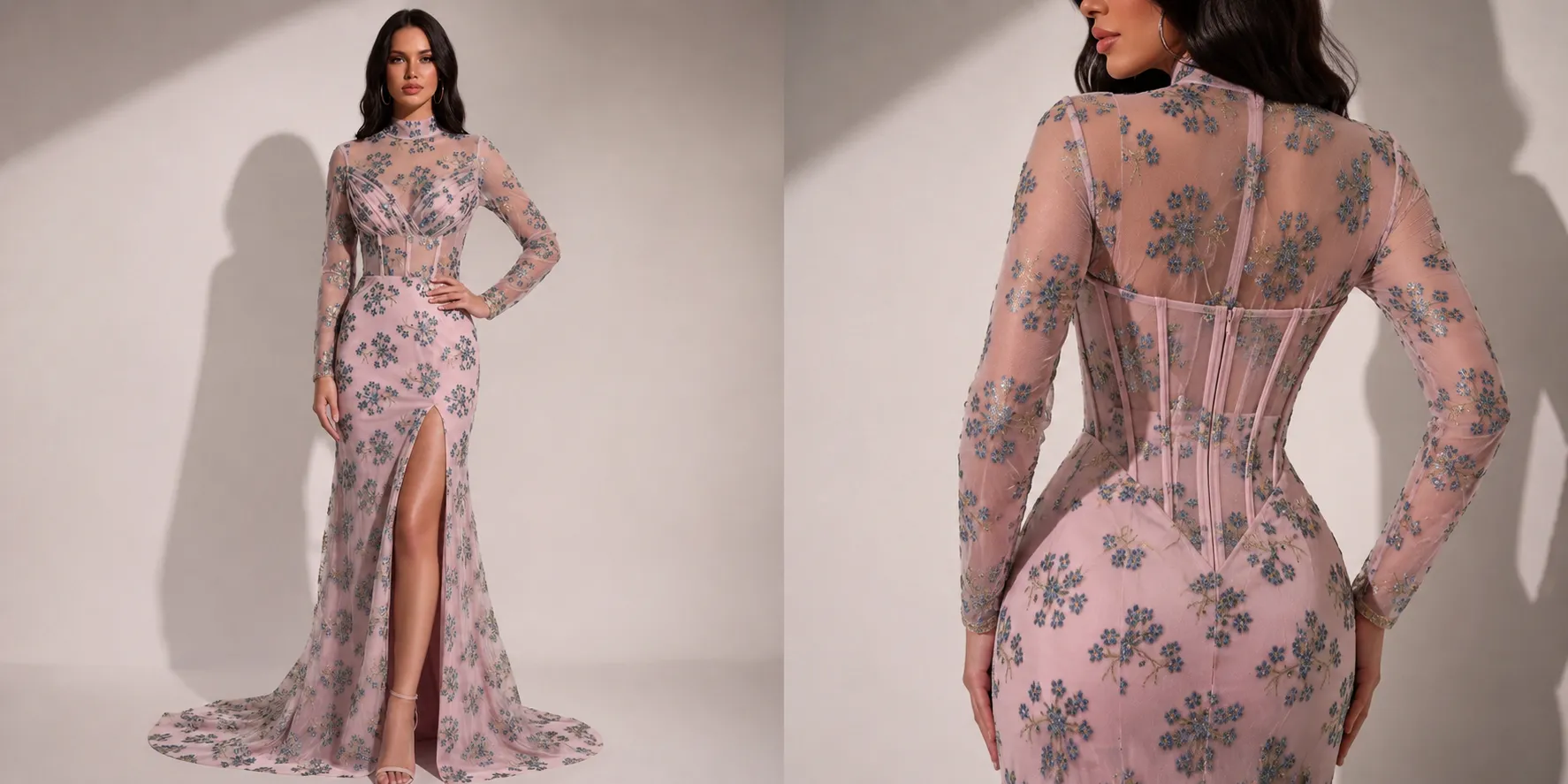
Boning in a dress refers to narrow support strips sewn inside the bodice to help the garment hold its shape. It is commonly used in strapless dresses, corset-style gowns, fitted evening dresses, and other structured designs where the upper part of the dress needs extra stability.

Boning can improve the fit by keeping the fabric smooth, supporting the bust, and preventing the bodice from folding or sliding down. However, boning does not replace correct sizing or professional tailoring. A dress with poorly placed or overly rigid boning may feel uncomfortable, while well-positioned flexible boning can create a cleaner silhouette without restricting movement. The final result depends on the boning material, its placement, the fabric, the lining, and how closely the dress matches the wearer’s measurements.

How Internal Support Shapes the Bodice

Boning helps the bodice stay upright and maintain the shape created by the dress pattern. It adds vertical support, reduces fabric wrinkling around the waist and bust, and prevents structured areas from folding during movement.

In strapless or closely fitted dresses, boning can also distribute pressure across the torso instead of allowing the neckline to carry all the weight. This helps the upper section remain more stable and reduces the need to pull the dress upward repeatedly.

However, boning mainly supports the structure of the garment. It does not reduce the body’s measurements or correct a dress that is too loose or too tight. The best result comes from combining properly placed boning with accurate sizing, supportive lining, and well-constructed seams.

What Does Boning Do in a Dress

Types of Boning Used in Dresses

The material used for boning determines how much support, flexibility, and comfort a dress provides. Different designs require different levels of structure, so the strongest option is not always the best choice. This is especially important in fitted night dresses, where the bodice must remain supportive without restricting movement. Plastic Boning: Lightweight and flexible, plastic boning is commonly used in evening dresses and lightly structured bodices. It allows easier movement but may bend or lose its shape over time.

Spiral Steel Boning: This type bends in several directions and follows the natural movement of the body. It works well in fitted gowns and corset-inspired dresses that require support without feeling overly rigid. Flat Steel Boning: Flat steel provides firm vertical support and is usually placed near closures or in highly structured sections. It holds its shape well but may feel restrictive when used excessively. The right choice depends on the dress silhouette, fabric weight, and required level of support. A well-made dress may combine more than one type of boning to balance stability, comfort, and a smooth fit.

Simple Visual Guide

What Each Boning Type Does to a Dress

Look at the boning on the left, then follow the arrow to see the shape it creates in the dress.

The Boning

Plastic Boning

Think of it like a soft, bendable ruler.

→
Dress Result
Soft and Natural

The dress stays smooth, but the waist is not tightly shaped.
The Boning

Spiral Steel Boning

Think of it like a strong spring that can still move.

→
Dress Result
Curved and Flexible

The dress follows the bust and waist while still allowing movement.

The Boning

Flat Steel Boning

Think of it like a strong metal ruler.

→
Dress Result
Firm and Upright

The dress stays straight and gives the waist stronger definition.

Easy way to remember: plastic is soft, spiral steel bends with the body, and flat steel keeps the dress firm and straight.

Where Support Is Added Inside the Dress?

  • Boning is usually sewn into narrow channels inside the bodice. Its placement determines which part of the dress receives more support.
  • Side seams: Keep the sides smooth and prevent the bodice from folding.
  • Princess seams: Follow the bust and waist for a cleaner, fitted shape.
  • Centre front: Prevents the front of the dress from collapsing.
  • Centre back: Supports zips, hooks, and corset-style closures.
  • Under the bust: Helps stabilise the bust area in strapless dresses.

Boning should stop before flexible areas such as the underarms and hips. Poor placement may cause pressure, visible lines, or discomfort while sitting.

What Does Boning Do in a Dress

When Boning Improves the Fit?

Boning improves the fit when it is used in a correctly sized dress with a well-constructed bodice. It helps keep the upper part of the dress smooth, reduces folding around the bust and waist, and creates cleaner lines through the torso. In strapless or fitted dresses, it also adds stability and helps the neckline stay in place.

Boning is especially useful when the dress includes heavy fabric, embroidery, or embellishment, because it helps distribute the weight across the bodice instead of allowing the upper edge to carry all the pressure. However, it cannot correct a dress that is too tight, too loose, or poorly tailored. Proper sizing and professional alterations are still necessary for a comfortable and accurate fit.

Boning vs Built-In Corsetry

Boning and built-in corsetry are related, but they are not the same. Boning simply adds vertical support inside the bodice, while built-in corsetry combines boning with structured cups, firm lining, waist shaping, and stronger closures.

A dress with light boning may feel flexible and easy to move in, but a corset-style bodice provides more control through the bust and waist. Built-in corsetry can create a more defined silhouette, although it may also feel firmer and less breathable during long events.

The better option depends on the dress design and the level of support required. Light boning is usually enough for softly fitted evening dresses, while strapless, heavily embellished, or highly structured gowns may benefit from full internal corsetry.

Need Help Choosing the Right Dress Structure?

Contact us for guidance on fit, support, bodice construction, and choosing the right evening dress for your body and occasion.
What Does Boning Do in a Dress

Boning, Sizing and Alterations

Boning works best when the dress already matches the wearer’s measurements. It can support the bodice and improve stability, but it cannot correct a dress that is significantly too tight or too loose. In a loose dress, the bodice may still slide down; in a tight dress, the boning may press into the ribs or waist.

Alterations should be completed carefully because changing the side seams, bust, or waist may also require repositioning the boning channels. Shortening, bending, or removing boning without adjusting the internal structure can affect both comfort and fit. For structured or strapless dresses, alterations are best handled by a tailor familiar with corsetry and formalwear construction.

Final Thoughts

Boning can make a dress look smoother, more stable, and better structured, especially in strapless, fitted, and corset-inspired designs. The result depends on the type and placement of the boning, the construction of the bodice, and the accuracy of the dress size.

Good boning should support the garment without restricting breathing, movement, or sitting. It improves the structure of a well-fitted dress, but it cannot replace correct sizing, quality tailoring, or professional alterations.

Dress Fit Guide

Frequently Asked Questions

Simple answers about dress boning, comfort, support and alterations.

Does boning make a dress tighter?

Boning does not automatically make a dress tighter. It supports the bodice and helps it maintain its shape. The actual tightness depends on the dress size, pattern, closure and internal construction.

Is boning in a dress uncomfortable?

Properly fitted boning should provide support without causing sharp pressure. Discomfort usually means the dress is too tight, the boning is too long or rigid, or it has been positioned incorrectly.

Can boning keep a strapless dress in place?

Boning can help a strapless bodice remain upright and prevent the fabric from folding. However, the dress must still fit correctly around the bust and waist to avoid sliding down.

Can boning be removed or altered?

Boning can sometimes be shortened, replaced or repositioned, but changes may affect the shape and support of the dress. Structured dresses should be altered by a tailor experienced with eveningwear or corset construction.

Is boning the same as a built-in corset?

No. Boning is one supportive element inside a dress. A built-in corset usually combines boning with structured cups, firm lining, waist shaping and stronger closures to provide greater support and control.

Also Read Best Fabrics for Formal Dresses Types, Weight and Drape

Leave a Reply