
Types of Abayas 8 Popular Styles Explained
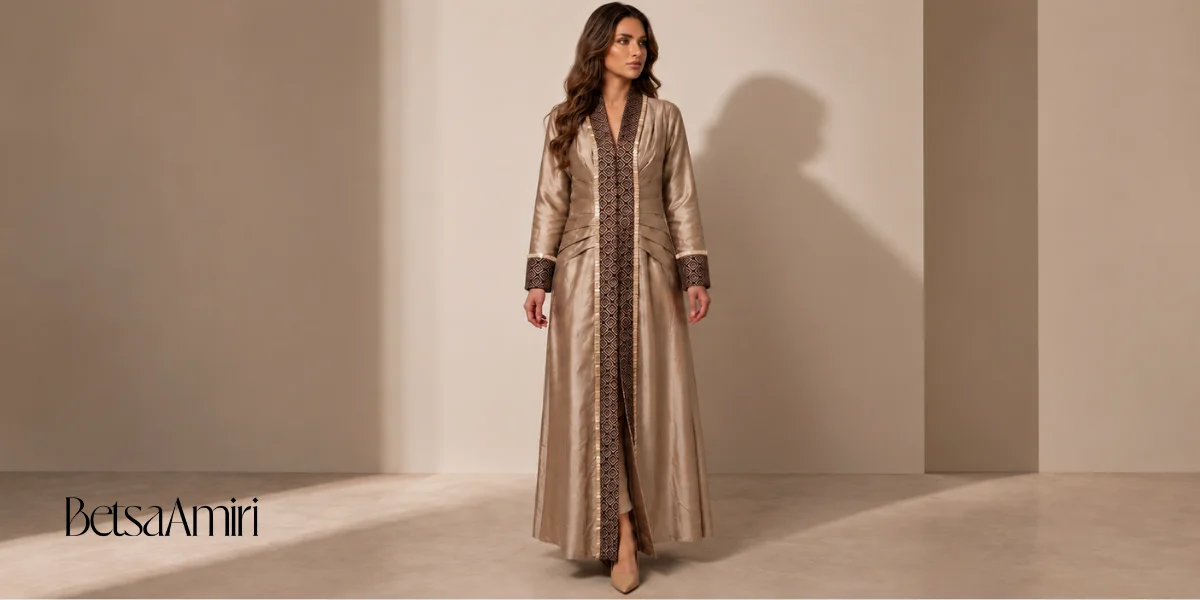
The abaya has come a long way from its traditional black silhouette. Today, you can find designs with flowing sleeves, structured shoulders, delicate embroidery, and cuts that feel closer to a modern coat or dress. Yet the purpose remains familiar. comfortable, modest clothing that allows women to express their personal style.
With so many options available, choosing an abaya isn’t always straightforward. Two designs might look almost identical on a hanger but feel completely different when worn. An open abaya offers flexibility for layering, while a closed design provides more coverage without requiring much thought about what to wear underneath. Details such as sleeve shape, fabric weight, and overall fit can also change how suitable an abaya feels for everyday activities or special occasions.
In Dubai, where traditional clothing sits naturally alongside contemporary fashion, abayas are worn in many different ways. Some women prefer simple pieces for work and daily outings, while others choose more elaborate designs for family gatherings, celebrations, or formal events.
Understanding the different types of abayas makes it easier to recognize which designs match your needs and preferences. This guide explores eight popular styles, explains their defining features, and looks at where each one works best. Whether you’re buying your first abaya or considering a different silhouette, knowing these distinctions can help you make a more informed choice.
Popular Abaya Styles and What Makes Each One Different
The differences between abaya styles go beyond their appearance. The way an abaya is cut, how its fabric falls, and the amount of movement it allows can make one design more practical than another. Looking closely at these details helps explain why certain styles remain popular for everyday wear while others are preferred for special occasions.
1. Open Abaya
An open abaya has a front opening that can be left loose or secured with buttons, ties, or a belt. It is commonly worn over a dress or coordinated outfit, allowing the layers underneath to remain visible. Lightweight fabrics such as crepe work well for a relaxed appearance, while more structured materials create a tailored finish.
2. Closed Abaya
A closed abaya provides continuous coverage across the front, making it convenient for women who prefer a simple outfit without additional layering. Its silhouette can be straight or slightly flared, depending on the cut. The fit around the shoulders and the fabric’s opacity are particularly important when choosing this style.
3. Butterfly Abaya
The butterfly abaya is recognized by its wide sleeves and generous fabric extending from the arms toward the body. This creates a soft, flowing shape that becomes more noticeable with movement. Although its loose construction offers comfort, the extra fabric can feel less practical in crowded spaces or during activities requiring frequent arm movement.
If you’re planning to buy abayas in Dubai, comparing these three silhouettes is a useful starting point. Their differences in coverage, layering, and sleeve construction can help you narrow down your options before exploring more decorative designs.
Which Abaya Style Suits You?
A simple guide to choosing the right abaya by occasion.
Everyday Wear
Open Abaya and Closed Abaya
Formal Events
Embroidered Abaya and Kaftan Style
Modern Looks
Kimono Abaya and Pleated Abaya
Comfort and Movement
Butterfly Abaya and Blazer Style
More Popular Abaya Styles for Different Occasions
Beyond the flowing butterfly design, several other types of abayas stand out for their sleeve construction, decorative details, and overall silhouette. Some take inspiration from traditional garments, while others introduce tailoring techniques commonly found in contemporary fashion.
4. Kimono Abaya
Inspired by the shape of a traditional Japanese kimono, this style usually features wide sleeves, a relaxed fit, and a straight or wraparound front. Unlike a conventional open abaya, the kimono design often places greater emphasis on sleeve proportions and clean lines. A well-fitted version should allow comfortable arm movement without pulling across the upper back.
5. Embroidered Abaya
Embroidery can transform a simple abaya into a more decorative garment. Designs may feature stitching along the cuffs, neckline, or front panels, with some incorporating intricate floral or geometric patterns. When examining an embroidered abaya, check the consistency of the stitching and whether the decorative areas lie smoothly against the fabric. Heavy embroidery can affect how the garment drapes.
6. Kaftan Style Abaya
The kaftan style abaya typically has a loose, elongated silhouette with generous room through the body. It often features decorative necklines or embellished sleeves, making it suitable for celebrations and formal gatherings. Although abayas and kaftans are distinct garments, contemporary designers sometimes combine elements of both. The resulting designs offer the coverage associated with abayas alongside the relaxed proportions and ornamental details commonly seen in kaftans.
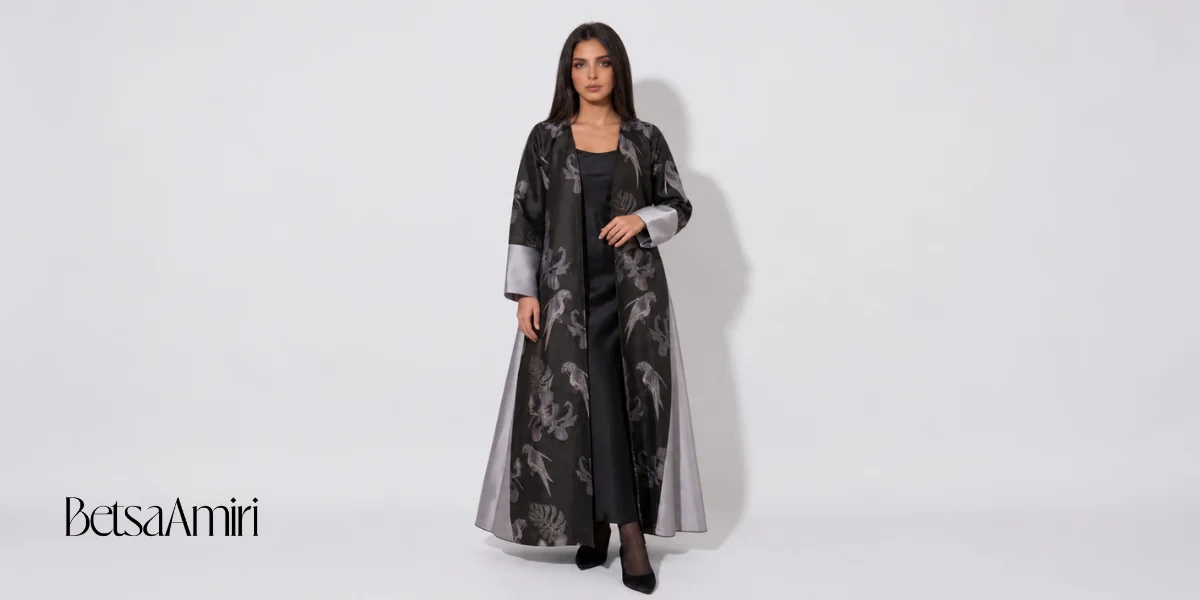
Modern Abaya Styles and How to Choose the Right Fit
The final two styles bring a more contemporary approach to abaya design. Both offer distinctive silhouettes, but understanding how they fit and move is just as important as their appearance.
7. Pleated Abaya
A pleated abaya features carefully folded fabric that creates texture and movement. Pleats may run along the sleeves, start below the waist, or extend through the entire garment. Smaller pleats produce a more detailed appearance, while wider folds create a relaxed silhouette.
When trying one on, sit down and walk a few steps to see how the pleats behave. Some fabrics hold their shape naturally, while others may need careful steaming after washing.
8. Blazer Style Abaya
The blazer style abaya combines traditional coverage with elements of tailored outerwear. It typically features defined shoulders, a structured collar, and straight front panels. Some designs include lapels or discreet fastenings, giving them a polished appearance suitable for professional settings.
Pay attention to the shoulder seams and sleeve length when choosing this style. A jacket inspired cut should feel comfortable across the back without restricting movement.
Finding Your Ideal Abaya Style
Before deciding, consider where you plan to wear the abaya most often. For daily use, check whether the fabric feels breathable and allows comfortable movement. For formal occasions, examine how the garment falls when standing and sitting.
If standard sizes or designs don’t meet your preferences, you can Buy custom abayas in Dubai to choose specific measurements, fabrics, and design details that better suit your needs. Trying different cuts can also help you understand which proportions feel most natural on your body.
Before You Choose Your Abaya
Four details worth checking before making your decision.
Shoulder & Sleeve Fit
Raise your arms and check that the fabric doesn't pull across your back.
Fabric & Breathability
Consider the fabric weight, lining and comfort in warm weather.
Length & Movement
Walk and sit comfortably without the hem dragging on the floor.
Finishing & Stitching
Examine the seams, cuffs and decorative details for neat construction.
A beautiful abaya should feel just as good as it looks.
Choosing the Best Abaya Style for Your Wardrobe
Finding the right abaya is less about following fashion trends and more about understanding what suits your lifestyle. Each of the eight styles covered in this guide has its own character, from the simplicity of a closed abaya to the detailed craftsmanship of embroidered designs and the tailored I appearance of a blazer style abaya.
Your choice should reflect how you dress, where you spend your time, and what makes you feel comfortable. A beautiful design is worth considering, but practical details often determine whether you’ll continue wearing it.
Before making your decision, keep a few things in mind:
- Choose a silhouette that complements your preferred level of coverage.
- Consider fabric quality, particularly if you’ll wear the abaya regularly in Dubai’s warm climate.
- Check the finishing around seams, sleeves, and decorative elements.
- Think about how easily the design fits into your existing wardrobe.
At Betsa Amiri, our abaya collection brings together designs for women who appreciate thoughtful details and distinctive silhouettes. Exploring different styles can help you find a piece that feels appropriate for the occasion while remaining true to your personal taste.
Frequently Asked Questions
01 What are the most common types of abayas?
The most common types of abayas include open abayas, closed abayas, butterfly abayas, kimono abayas, embroidered abayas, kaftan style abayas, pleated abayas, and blazer style abayas. Each style offers a different look, level of structure, and styling flexibility.
02 What is the difference between an open and closed abaya?
An open abaya is worn as a layering piece over other clothing and usually has an open front. A closed abaya provides full front coverage and is suitable for women who prefer a simple outfit with minimal styling.
03 Which abaya style is best for everyday wear?
Lightweight open and closed abayas are practical choices for everyday wear. Look for breathable fabrics, comfortable sleeves, and a length that allows easy movement. Your daily routine and preferred level of coverage can help determine the best style.
04 What fabric is best for abayas in Dubai weather?
Lightweight crepe, cotton blends, and certain linen blends can be comfortable in Dubai's warm weather. Fabric thickness, breathability, and lining also affect comfort, so consider these details rather than choosing a material based on its name alone.
05 How do I choose the right abaya style for my occasion?
Consider the occasion, your preferred silhouette, and how comfortable the abaya feels when moving. Simple designs work well for daily activities, while embroidered, pleated, or tailored abayas can be suitable for formal events and celebrations.

Betsa Amiri Editorial Team creates and reviews content about abayas, eveningwear, custom dresses, garment care and contemporary women’s fashion. The team provides clear and practical information based on Betsa Amiri’s experience in bespoke womenswear and serving clients in Dubai.