
How to Choose a Wedding Dress?
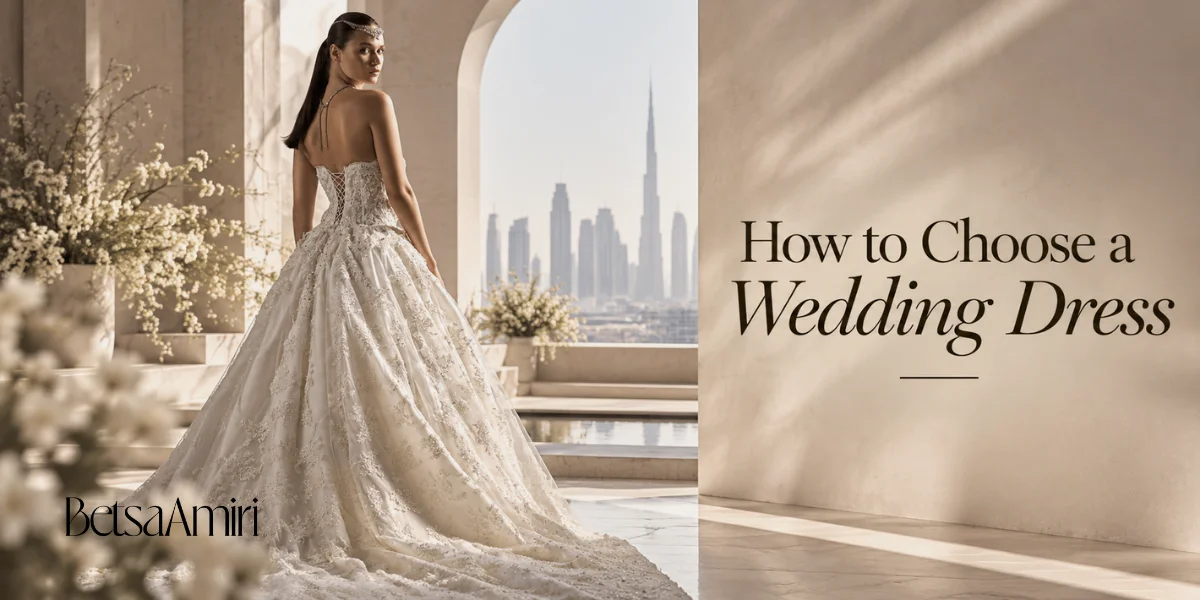
If you’re trying to figure out how to choose a wedding dress, start with the wedding day itself, not with the dress rack. A gown can look perfect during a fitting and still become uncomfortable once you have to sit, walk, dance, climb stairs, or spend time outdoors.
Before comparing silhouettes, necklines, or fabrics, think about the conditions the dress has to handle. A long train may look dramatic but become difficult at a garden venue. Heavy layers can feel luxurious indoors but exhausting in warm weather. A very fitted dress may create the shape you want, but it also needs to let you sit and move comfortably for several hours.
The best wedding dress is not simply the one that gets the strongest first reaction. It is the one that gives you the look you want without making the wedding day harder to enjoy. Once you judge each dress by both appearance and real use, choosing between your options becomes much easier.
What to Consider Before You Buy a Wedding Dress in Dubai
Your venue should help eliminate impractical dress choices before style becomes the main deciding factor. When you buy wedding dress in Dubai, think about where your wedding will happen and whether the dress will suit that environment. A long train may look stunning as it moves across a hotel floor, but it can become difficult on grass, collect sand during a beach ceremony, or require frequent lifting on outdoor steps.
For indoor venues such as ballrooms or luxury hotels, structured fabrics, fuller skirts, and longer trains are often easier to manage because the surface is even and the temperature is controlled. Outdoor weddings require more practical choices. If you will be walking on grass, stone, or sand, consider the dress length, train size, fabric weight, and how freely the skirt allows you to move.
The formality of your wedding should influence the overall style of your dress without limiting your personal choice. A structured gown with more volume can feel perfect for a formal evening celebration, while lighter fabrics and softer designs may work better for smaller or more relaxed events. The best choice is a dress that looks beautiful, feels comfortable, and allows you to fully enjoy your wedding day.
Check the Weather Before Choosing the Fabric
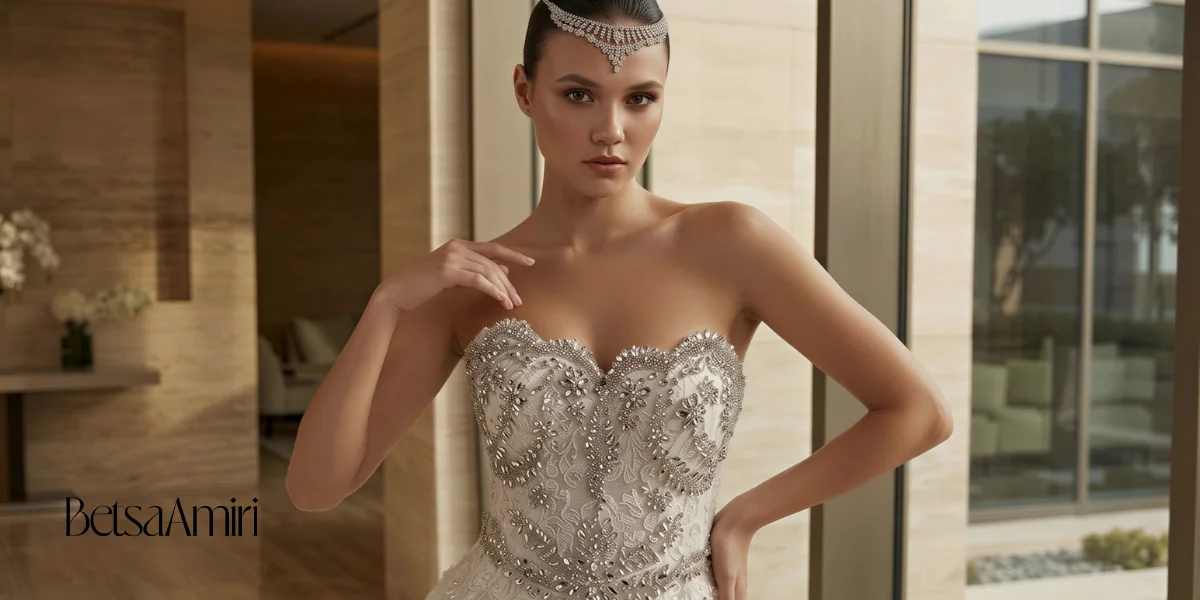
Warm weather can make a dress uncomfortable even if it looks light from the outside. The real heat often comes from the lining, corset, multiple skirt layers, and how closely the bodice sits against the body. For a summer or outdoor wedding, check how many layers the dress has and whether the fabric allows air to move. A lightweight chiffon gown can feel very different from a heavily lined satin dress after two or three hours. In cooler weather, fabrics such as mikado or heavier satin can feel more comfortable and also hold a clean, structured shape.
Before saying yes to a dress, imagine the full wedding day rather than the fitting-room mirror. Can you walk across the venue, sit through dinner, move between locations, and stay comfortable for several hours? If the dress already creates problems with heat, movement, or the train, it is probably asking you to compromise too much.
Wedding Venue
Choose a dress that matches your location, space and wedding style.
Fabric Choice
Consider weather, layers and comfort before selecting the fabric.
Comfort
Make sure you can walk, sit and enjoy your wedding day easily.
Silhouette
Find the shape that matches your preferred look and movement.
Final Details
Think about alterations, accessories and the complete bridal look.
Set Your Priorities Before You Start Trying Dresses
Before trying on dozens of dresses, decide what you are not willing to compromise on. This makes the search much faster and helps you avoid choosing a dress that looks impressive but does not truly suit your wedding day. When you buy custom wedding dress, having clear priorities makes it easier to communicate your preferred style, comfort needs, and important details with the designer.
Start with three practical questions: how much comfort do you need, how much structure do you like, and how much maintenance are you willing to manage during the day?For example, if you want to dance freely and move without help, a very heavy skirt or long train may become frustrating.
If you prefer strong support through the bodice, a soft unstructured dress may look beautiful but may not provide the secure feeling you want.
It also helps to separate must-haves from nice-to-haves. A specific neckline may be flexible, while comfort, coverage, or ease of movement may be non-negotiable. This gives you a clearer filter before style, trends, or other people’s opinions start influencing your decision.

Decide How You Want the Dress to Fit
After narrowing your options by venue and weather, focus on how you want the dress to shape your body. Instead of asking which silhouette is “best” for your body type, look at what each one actually changes.
A-Line and Ball Gown
A-line dresses define the waist and open gradually toward the hem, giving shape without too much volume. Ball gowns create a stronger waist-to-skirt contrast, but the fuller skirt also means more weight and less freedom in tight spaces.
Mermaid and Fit-and-Flare
These styles follow the body more closely and make the waist and hips more noticeable. Mermaid stays fitted lower down, so it can feel more restrictive. Fit-and-flare opens slightly earlier and usually allows easier movement.
Column and Sheath
These create a straighter, cleaner line with less volume. Because the skirt is narrow, fabric choice matters more: softer fabrics follow the body, while firmer fabrics create a smoother, more structured look. When comparing silhouettes, focus on three things: where the dress starts to widen, how closely it follows your body, and whether you can move comfortably in it.
Create Your Dream Wedding Dress
Every bride deserves a dress that reflects her personal style and makes her feel confident on her special day. Contact our team for a personalised consultation and discuss your perfect wedding dress.
Start Your ConsultationCompare the Final Details
- Fewer alterations andsimpler fitting adjustments
- Better match with the venue and level of formality
- Closer to the silhouette and overall look you originally wanted
- Lower total cost after alterations and accessories
- Fewer compromises that need to be justified
- A stronger choice based on your own preference, not other people’s opinions
The Dress That Still Feels Right on the Wedding Day
The best wedding dress is not necessarily the one that looks most dramatic in the fitting room. It is the one that still feels right when you are walking into the venue, sitting through dinner, taking photos, and enjoying the rest of the day. If a dress gives you the look you wanted, fits the setting, stays within your real budget, and does not require constant adjusting or major compromises, you are probably close to the right choice.
Frequently Asked Questions
01 How do I choose the right wedding dress for my venue?
Your venue should guide your wedding dress choice. Consider the floor, weather, movement, and practicality of details such as the train length, fabric weight, and skirt volume before making your final decision.
02 What should I consider before choosing a wedding dress?
Before choosing a dress, decide your priorities including comfort, structure, movement, and how much maintenance you want during the wedding day. Separate your must-haves from details that can be flexible.
03 How do I choose the right wedding dress fabric?
The right fabric depends on the weather and wedding setting. Lightweight fabrics can provide comfort in warm conditions, while structured fabrics can create shape and feel more suitable for cooler environments.
04 Which wedding dress silhouette should I choose?
Each silhouette creates a different shape and level of movement. A-line, ball gown, mermaid, fit-and-flare, and column dresses should be compared based on comfort, fit, and how easily you can move.
05 How do I know if a wedding dress is the right choice?
The right wedding dress should look beautiful and feel comfortable throughout the day. You should be able to walk, sit, take photos, and enjoy your wedding without constant adjustments.

Betsa Amiri Editorial Team creates and reviews content about abayas, eveningwear, custom dresses, garment care and contemporary women’s fashion. The team provides clear and practical information based on Betsa Amiri’s experience in bespoke womenswear and serving clients in Dubai.