Buying Custom Dress in Dubai What to Know
Buying a custom dress in Dubai starts with more than choosing a design you like. Before any fabric is cut, the final design, measurements, event date, fittings, delivery timeline and alteration terms should be clear. A reference photo can show the look you want, but it does not explain how the neckline should sit, how much movement you need or whether the same fabric will create the expected shape.
The safest approach is to discuss these details before paying a deposit. Confirm what is included in the quoted price, how many fittings are planned and which changes may cost extra after production begins. This guide explains each stage of ordering, from the first consultation to the final collection, so you know what to ask and what to check before approving your dress.
Custom-Made or Altered Ready-Made
custom-made dress is created from the beginning around your measurements, event and preferred design. The neckline, sleeves, waist position, skirt shape, fabric and inner structure are planned together before the pattern is cut. This option makes sense when several parts of a standard dress need changing or when the design depends on precise proportions.
An altered ready-made dress already has its main construction in place. A tailor may shorten the hem, reduce the waist, adjust the straps or make small changes to the fit, but major alterations are not always practical. Changing a high neckline into a low one, adding supportive sleeves or reshaping a fitted bodice can affect seams, lining and the overall balance of the dress. If you already like a ready-made dress and only need one or two minor adjustments, alteration is usually the simpler option. If you need a different fabric, more coverage, a changed silhouette or a fit created around your measurements, a custom-made dress gives better control. Deciding this early prevents you from paying for extensive alterations that still cannot produce the result you expected.
When a Custom Dress Makes Sense
Choose a custom dress when a ready-made option needs changes to several structural areas, such as the bust, waist, neckline, sleeves and skirt. These changes affect one another. Adding sleeves may require a new armhole, changing the neckline can alter bodice support, and resizing the bust may shift the waist seam.Custom ordering is also useful when you need a specific combination that is difficult to find ready-made, such as more coverage with a fitted shape, a particular fabric with a different skirt or a long dress adjusted precisely for your height and shoes.
If you are planning to Buy Evening Dress in Dubai but most ready-made options still need major structural changes, a custom-made design may be the more practical choice.
If the dress only needs a shorter hem, adjusted straps or a small waist reduction, altering a ready-made dress is usually sufficient. Custom production is the better choice when the main construction, not just the size, needs to change.
Preparing for the First Consultation
useful custom dress consultation begins before you arrive at the atelier. The designer needs more than your preferred colour or a photo saved from social media. Your event date, venue, required coverage and the parts of the reference design you actually like will determine whether the idea can be made within your time and budget.
Event Date and Venue
Give the exact event date from the beginning and ask for the dress to be ready before that day, not on it. This leaves time for a final fitting and any small correction that only becomes noticeable when the complete dress is worn. The venue also changes the design. A long train may look appropriate in a ballroom but become difficult on stairs, grass or sand. Heavy layers can work inside an air-conditioned hotel, while an outdoor event may need less weight and easier movement. Sharing these details helps the designer adapt the idea before production starts.
Clear Reference Images
Reference images are most helpful when you explain what you like in each one. You may want the neckline from one dress, the sleeves from another and the skirt shape from a third. Without this explanation, the designer may not know which details matter and which parts of the image you do not want. Avoid expecting an exact copy without discussing your proportions, fabric and required coverage. A neckline that sits securely on one body may need different support or a slightly adjusted depth on another. The goal is to translate the idea into a dress that works on you, rather than reproduce the photograph without considering fit.
Shoes and Coverage
Bring the shoes you plan to wear before the final hem is completed. Even a small change in heel height affects where a full-length dress touches the floor and whether the wearer can walk without stepping on it. Coverage should also be discussed clearly. Instead of only asking for a “modest” dress, specify the preferred sleeve length, neckline depth, back coverage, slit height and whether sheer sections need lining. Clear instructions at the consultation stage are easier to apply than structural changes requested after the dress has already been cut.
Buying a Custom Dress in Dubai Step by Step
Once the design direction is clear, the order moves through four connected stages. A decision approved in the first stage affects everything that follows, so changing the neckline, fabric or skirt after pattern cutting is different from making a small fit adjustment during a fitting.
Design Approval
Before production begins, confirm the dress from every angle. The approved design should show the neckline, back, sleeve length, waist position, skirt shape, slit, train and decorative details. A front-view reference image is not enough if the back and side construction have not been discussed. Ask for unclear details to be written down or marked on a sketch. Terms such as “fitted,” “long” or “modest” can be interpreted differently. Exact decisions reduce the chance of discovering during the first fitting that the neckline is lower, the sleeves are tighter or the train is longer than expected.
Fabric and Details
When Buying custom dresses in Dubai, the fabric must support the design. A soft fabric can create drape and movement but may not hold a structured bodice. A heavier material can keep a clean shape but may add weight to a layered skirt. If the dress includes beads, embroidery or a corset, the base fabric and lining must carry that structure without pulling or losing shape. Approve the actual fabric whenever possible rather than choosing from a screen image. Colour, thickness and shine can look different under daylight, indoor lighting and camera flash. Confirm the lining, closures and decorative details at the same time so they are included in the design and quotation.
Measurements and Pattern
Custom dress measurements go beyond bust, waist and hips. Shoulder width, back length, bust position, arm circumference and the distance from waist to floor can change how the pattern sits on the body. Wear the undergarments you intend to use with the dress because padded bras, shapewear and different cup shapes can alter the measurements. Measurements should be taken close enough to production to remain accurate. If your weight or planned undergarments change before the fitting, tell the atelier rather than waiting for the dress to feel wrong.
Fittings and Adjustments
The first fitting is used to check the main construction. The waist seam should sit in the intended position, the neckline should remain secure, and the dress should allow normal breathing and arm movement. The hem and final decorative work may not yet be complete. Later fittings refine the length, sleeves, closures and finishing. Wear the planned shoes and undergarments, then sit, walk and raise your arms. A dress that looks correct while standing still may pull at the hips when sitting, restrict the shoulders or shift at the neckline during movement. These issues should be identified before the final seams and embellishments are completed.
Set the Delivery Date Early
When placing the order, tell the atelier the exact event date and agree on an earlier delivery date. For example, if the event is on 20 June, aim to collect the dress around 13 June. This gives you time to try it with your shoes and undergarments and request a small correction if necessary. Do not change the fabric, sleeves or skirt after production begins unless you accept a possible delay. These changes may require new fabric or a new pattern.
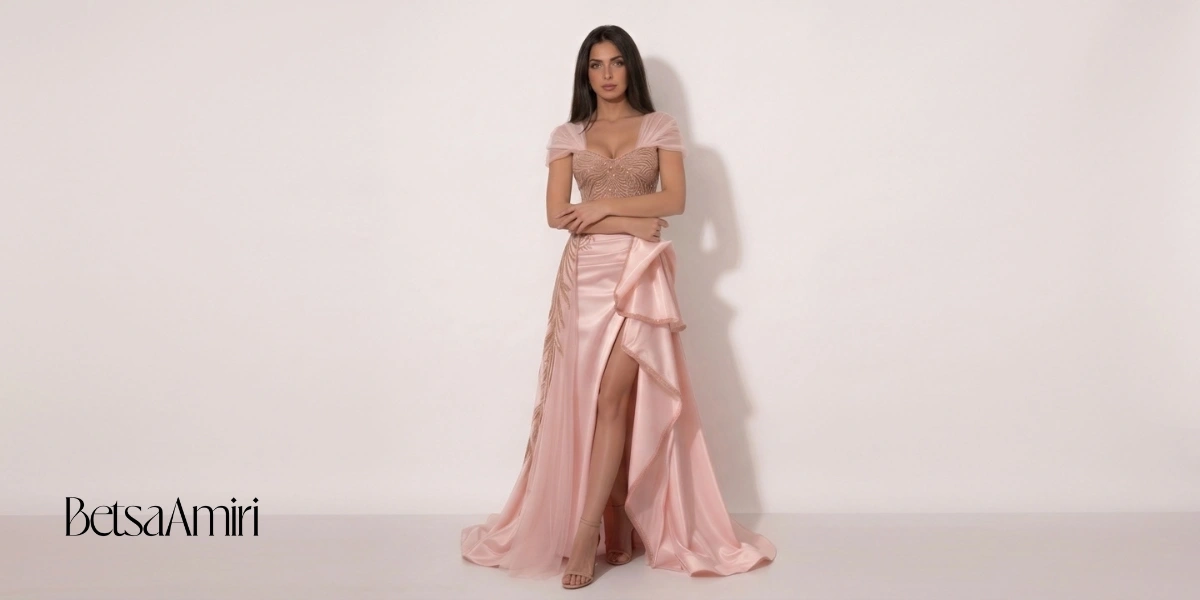
Final Collection Check
Try the finished dress with the shoes and undergarments planned for the event. Do not check the fit only while standing in front of a mirror.
- Sit down and walk normally.
- Raise your arms and check the sleeves.
- Make sure the neckline stays in place.
- Check that the zipper closes smoothly.
- Confirm the hem does not drag or catch under your shoes.
- Inspect the lining, seams and decorations under good lighting.
Frequently Asked Questions
01 How early should I order a custom dress?
Order early enough to allow time for design approval, fabric sourcing, pattern preparation, fittings and final adjustments. Agree on a delivery date that falls several days before the event rather than on the event date itself.
02 What should I bring to a custom dress consultation?
Bring the event date, venue details and clear reference images. Explain which parts of each image you like and specify your preferred neckline, sleeves, length, coverage and colour.
03 How many fittings does a custom dress need?
The number depends on the design and construction. The first fitting usually checks the main shape and fit, while later fittings refine the length, sleeves, closures and final finishing.
04 Can I change the design after production starts?
Small fit corrections may be possible, but changing the fabric, neckline, sleeves or skirt may require new materials or pattern work. Confirm major design details before the fabric is cut.
05 What should I check when collecting the finished dress?
Try the dress with the planned shoes and undergarments. Sit, walk and raise your arms, then check the neckline, zipper, hem, lining, seams and decorative details under good lighting.

Betsa Amiri Editorial Team creates and reviews content about abayas, eveningwear, custom dresses, garment care and contemporary women’s fashion. The team provides clear and practical information based on Betsa Amiri’s experience in bespoke womenswear and serving clients in Dubai.