What to Wear to a Formal Event Women’s Outfit Guide

Getting invited to a formal event is lovely until you look at the invitation and realise you’re not entirely sure what you’re expected to wear. Does formal mean a floor length gown? Would a tailored midi dress be appropriate? And how much does the venue change what counts as dressing properly?
The answer depends on the occasion. A black tie gala has different expectations from a company awards dinner, even when both invitations describe the dress code as formal. An evening wedding might call for something elegant but understated, while a charity ball gives you more room for a dramatic silhouette or richer fabric.
Before choosing a dress, look at three things: the wording on the invitation, where the event is being held, and what you’ll actually be doing there. A fitted gown can look beautiful in photographs but become uncomfortable during a long dinner. Equally, a dress that feels perfectly suitable for a restaurant may seem too relaxed in a grand ballroom.
In Dubai, it’s also worth thinking about the contrast between outdoor arrivals and heavily air conditioned interiors. Fabric weight, sleeve coverage and comfortable footwear can make a noticeable difference over several hours.
This guide looks at formal dress codes, suitable dress styles and the smaller decisions that help an outfit feel right for the occasion. The aim is to help you choose something appropriate without losing your own sense of style.
Understanding Formal Dress Codes and What Women Should Wear
The word formal appears on plenty of invitations, but it doesn’t always mean the same thing. Knowing how to interpret it can save you from arriving in a dress that feels either too casual or unnecessarily elaborate.
Black tie is usually the clearest instruction. For women, a full length evening gown is a reliable choice, particularly for galas, formal receptions and prestigious award ceremonies. An exceptionally elegant cocktail dress may also be acceptable, although the venue and the hosts’ expectations matter.
When an invitation simply says formal attire, there’s more flexibility. A sophisticated midi dress, a long evening dress or a carefully tailored trouser suit can all work. The distinction often comes down to fabric and finish. A plain cotton midi dress might feel suitable for an afternoon gathering, while a similar silhouette in silk or structured crepe can look entirely appropriate at an evening reception.
Semi formal events generally allow shorter hemlines and less elaborate styling. You can choose a refined knee length dress or a midi design without feeling obliged to wear a gown.
Consider a dinner at a luxury Dubai hotel compared with an outdoor corporate reception. Both may be described as formal, but the first might favour an evening gown, while the second could make a tailored midi dress the more practical choice. If you’re planning to Buy Evening Dress styles for an upcoming occasion, understanding these differences can help you narrow down your options.
If the invitation leaves you uncertain, asking the organiser is perfectly reasonable. It’s better than spending an entire evening wondering whether you’ve misunderstood the dress code.
How to Choose the Right Formal Dress for Your Body Shape and Event
Once you’ve understood the dress code, the next decision is finding a style that looks appropriate and feels comfortable on your body. The cut of a dress matters just as much as its length, especially when you’ll be wearing it for several hours.
An A line gown offers room through the hips and allows easier movement, making it a practical option for formal dinners and weddings. A column dress creates a straighter silhouette but needs enough ease around the legs for walking and sitting. Mermaid gowns follow the body’s contours more closely, so it’s worth checking how comfortably you can take a full step before deciding on one.
The bodice deserves particular attention. Structured seams and properly fitted boning can provide support, but neither guarantees a comfortable fit. If the waist pulls when you sit or the neckline needs constant adjusting, a different size or alteration may be necessary.
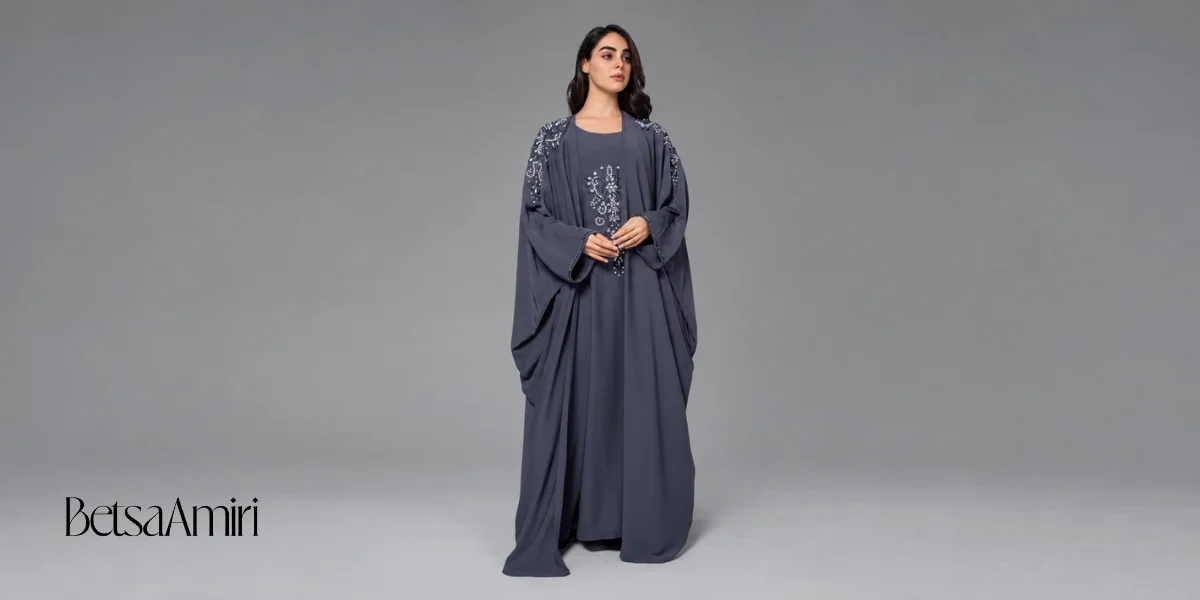
Fabric changes how these shapes behave. Satin highlights the way a garment falls and can reveal tension around poorly fitted areas. Crepe generally offers a more controlled drape, while chiffon adds movement but often requires lining for adequate coverage. The same considerations apply if you’re searching for Buy Abayas in Dubai to find something suitable for a formal occasion. An elegant abaya should drape comfortably without restricting movement.
When trying on formal dresses, sit down, raise your arms and walk at your usual pace. These simple checks reveal problems that standing in front of a mirror won’t.
A well chosen formal outfit should let you enjoy the evening without repeatedly thinking about your dress. Fit, proportion and freedom of movement are worth prioritising over a silhouette that only looks good while standing still.
How to Style Formal Event Outfits for Women
Finding a dress that fits well is only part of getting ready. Shoes, jewellery and even the bag you carry can change how an outfit feels, particularly when the event involves more than sitting down for dinner.
Start with footwear. A pair of high heels might complement a long gown, but consider how far you’ll walk from the entrance to the venue. For an evening with plenty of standing or dancing, a lower heel with a secure strap may be a wiser choice. Try your shoes with the dress beforehand, since heel height affects where the hem falls.
Jewellery works best when it complements the details already present. If your dress has an embellished neckline, earrings may be enough. A simple satin gown, on the other hand, leaves more room for a necklace or a distinctive pair of earrings. There’s no need to wear everything together.
For formal events in Dubai, a light shawl can be useful in air conditioned ballrooms, especially with sleeveless dresses. Keep your handbag small enough to carry comfortably, but check that it holds your phone, cards and other essentials.
It’s worth getting dressed a little earlier than usual and looking at the complete outfit in natural light. Check how the fabric sits when you move and whether anything needs adjusting.
The finishing touches should make you feel prepared for the occasion, not give you more things to worry about throughout the evening.

Choosing the Right Formal Event Outfit with Confidence
A formal invitation shouldn’t leave you feeling that you need an entirely new wardrobe. Sometimes the right choice is a dress you already own, styled differently for the occasion. What matters is understanding the expectations of the event and finding an outfit that suits both the setting and your personal taste.
If you’re shopping for something new, give yourself enough time to compare styles and try different sizes. If you’d prefer a design made specifically for you, you can also order custom dress styles tailored to your measurements and the occasion. Pay attention to how a dress feels after you’ve worn it for more than a few minutes. A beautiful design loses much of its appeal if you’re constantly adjusting the neckline or struggling to walk comfortably.
Remember that formal dressing isn’t limited to one silhouette or a particular colour. A beautifully fitted black gown can feel just as appropriate as a richly coloured evening dress. The invitation, time of day and venue are better guides than passing fashion trends.
For women attending formal events in Dubai, thoughtful fabric choices and practical accessories can make a long evening considerably more enjoyable.
Ultimately, the best formal outfit is one that respects the occasion while still feeling like something you would choose for yourself.
Frequently Asked Questions About Formal Event Outfits
01 What should a woman wear to a formal event?
A long evening gown, an elegant midi dress or a tailored trouser suit may be appropriate, depending on the dress code. For black tie events, a floor length gown is generally the safest choice. If the invitation simply says formal attire, you usually have more flexibility.
02 Can I wear a short dress to a formal event?
A sophisticated knee length or midi dress can be suitable for some formal dinners and corporate events. However, a very short or casual dress may feel out of place at a black tie gala. Consider the venue, fabric and expectations of the host before deciding.
03 What is the difference between formal and semi formal attire for women?
Formal attire generally calls for more refined fabrics, elegant silhouettes and a dressier overall appearance. Semi formal events allow greater flexibility, including simpler midi dresses and knee length styles. Neither dress code automatically requires a floor length gown, although black tie usually does.
04 Is it appropriate to wear black to a formal event?
Yes. Black is a versatile choice for evening receptions, formal dinners and gala events. The fabric and cut help determine how dressy the outfit looks. For weddings or culturally specific celebrations, check whether the hosts have any colour preferences or restrictions.
05 Do I need to wear high heels to a formal event?
No. Elegant flats and low heels can work with formal dresses, particularly when you expect to stand or walk for several hours. What matters is how the shoes complement the outfit. If you're wearing a long gown, check the hem length with your chosen footwear.

Betsa Amiri Editorial Team creates and reviews content about abayas, eveningwear, custom dresses, garment care and contemporary women’s fashion. The team provides clear and practical information based on Betsa Amiri’s experience in bespoke womenswear and serving clients in Dubai.