
How Clothes Are Made? Tools, Cutting, Sewing , Finishing
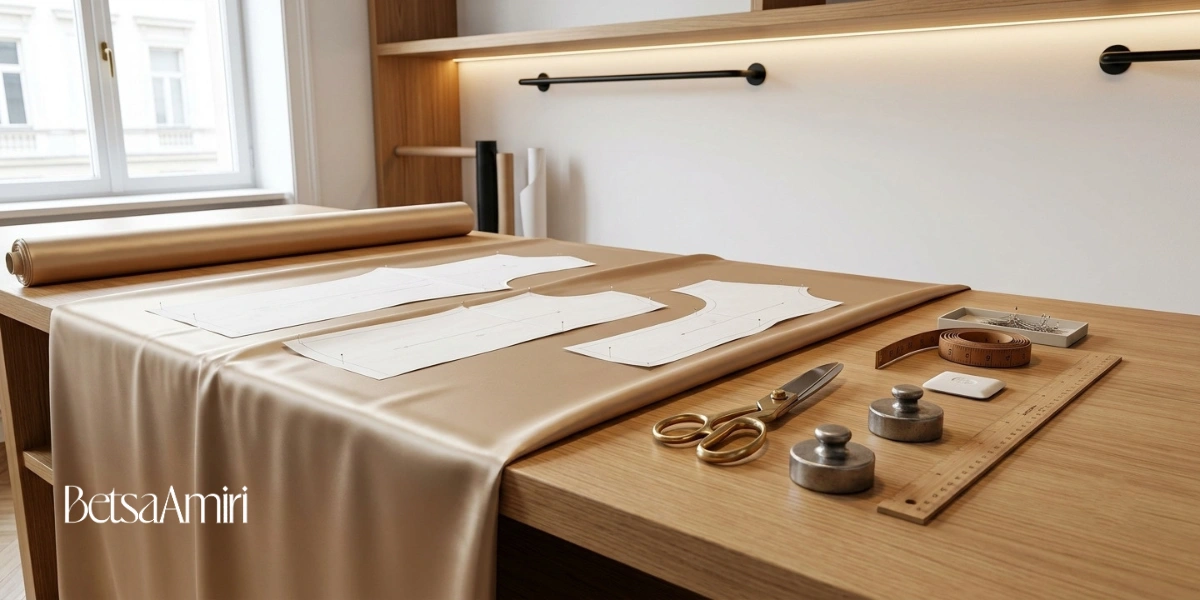
Clothing quality is often determined before the fabric reaches the cutting table. In professional production, fabric is first relaxed because many woven and knitted materials remain under mechanical tension after rolling, dyeing and finishing. Cutting the fabric immediately can cause panels to contract later, creating twisted side seams, uneven hems or sleeves with different finished lengths. Manufacturers also inspect bowing and skewing, two distortions in which the crosswise yarns curve or shift away from a true right angle. These faults may not be obvious on a fabric roll but can make a finished abaya rotate around the body after washing.
Pattern pieces are not simply placed wherever they fit. Their grainlines must follow the fabric structure, while directional fabrics, satin surfaces and materials with nap require every visible piece to face the same direction. Interfacing must also be tested with the main fabric because different shrinkage rates between the two layers can cause bubbling around collars, front openings and cuffs.
During sewing, technicians monitor more than stitch appearance. Needle size, thread construction, presser-foot pressure and differential feeding can change the final dimensions of a seam. Excessive stitch density may weaken delicate fabric by creating a perforation line, while incorrect thread tension can produce seam puckering even when the seam initially looks straight. Professional pressing is completed after individual construction stages, allowing seams, darts and curved areas to be shaped before later components restrict access. These technical controls explain why two garments made from similar fabric can behave very differently after repeated wear, cleaning and storage.
Essential Clothing Production Tools
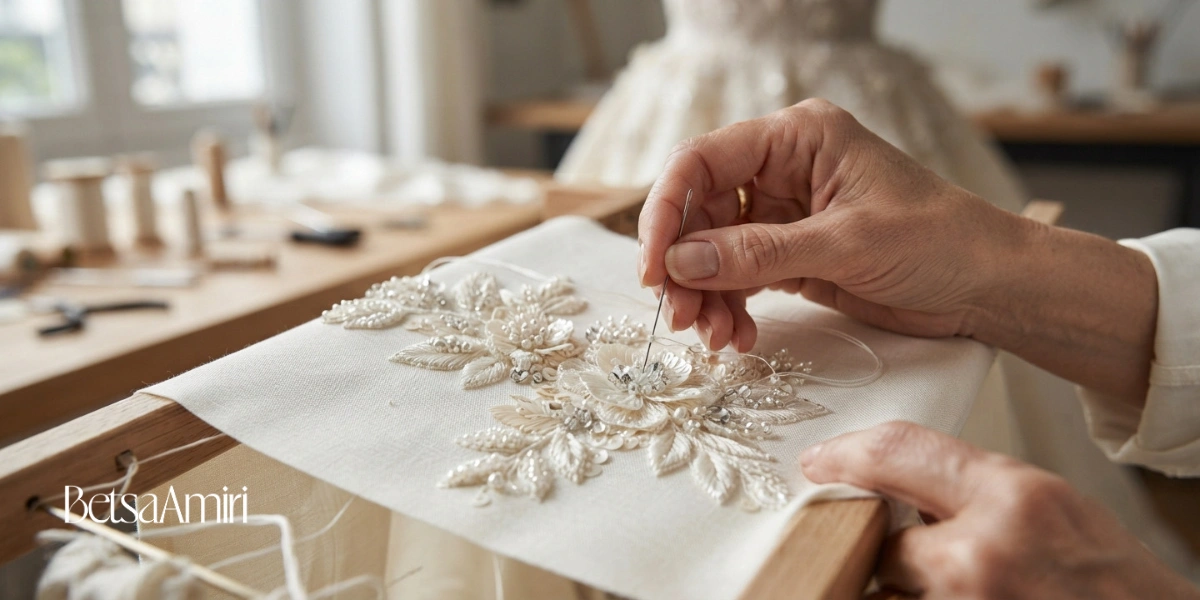
Garment-making tools directly affect cutting accuracy, seam quality and final fit. Fabric scissors must avoid shifting lower layers, while rotary cutters need to remain perpendicular for even cutting. Measuring tapes should be checked regularly because they can stretch over time. Tailor’s chalk must suit the fabric, as some marks become permanent after pressing. Pattern rulers help create smooth armholes and seam lines, while clips are safer than pins for satin and coated fabrics. Sewing and overlock machines require correct needle size, thread tension, presser-foot pressure and differential feed. A steam iron is also part of construction, helping shape seams, curves and fused areas. Professional results depend on adjusting each tool to the fabric.
Pattern Making and Garment Structure
Pattern making determines how a garment will balance, move and sit on the body before any fabric is cut. Professional patterns include more than body measurements; they also account for ease, seam allowance, grain direction and fabric behaviour. Small errors in shoulder slope, armhole depth or front-to-back balance can cause pulling, twisted sleeves or an uneven hem. Curved areas must be shaped with smooth transitions because sharp points often become visible after sewing. Pattern makers also add notches, balance marks and placement lines to control how separate pieces connect during assembly. For flowing garments such as abayas, correct distribution of width is especially important, as excessive volume in one area can distort the drape. A well-developed pattern reduces fitting corrections and helps the final garment maintain a clean, controlled silhouette.
Fabric Layout and Grain Direction
Fabric layout controls how each garment panel behaves after sewing and wear. Pattern pieces must follow the correct grainline because even a small deviation can cause side seams to twist or hems to drop unevenly. Satin, velvet and brushed fabrics also have a directional surface, so all visible pieces should be cut in the same direction to avoid colour and shine differences. Bias-cut sections require extra control because they stretch more easily and may lengthen after hanging. In striped or printed fabrics, matching the design across centre fronts, sleeves and side seams may require more fabric but creates a cleaner result. Accurate layout therefore protects the garment’s balance, drape and visual consistency.
The most important production controls and the visible signs that help buyers identify how carefully a garment has been made.
| Production Stage | Technical Control | Why It Matters | What Buyers Can Check |
|---|---|---|---|
| Fabric Preparation | Fabric relaxation and shrinkage testing | Releases mechanical tension before cutting and reduces unexpected changes after cleaning. | Twisted seams, shorter sleeves or an uneven hem after washing may indicate poor preparation. |
| Pattern Making | Front-to-back balance and correct ease allowance | Controls how the garment sits on the shoulders and moves around the body. | Check for pulling around the neck, armholes, bust or upper back. |
| Pattern Layout | Grainline, fabric nap and print alignment | Prevents side-seam rotation, uneven drape and visible colour differences between panels. | Side seams should hang vertically and prints should align across prominent seams. |
| Fabric Cutting | Accurate notches, stable layers and clean edges | Ensures sleeves, collars and garment panels connect without distortion. | Compare the symmetry of sleeves, cuffs, collars and both sides of the garment. |
| Sewing | Correct needle, stitch length and thread tension | Prevents skipped stitches, damaged fibres, puckering and weak perforated seams. | Stitches should remain even without loops, pulling or visible needle damage. |
| Seam Construction | Seam type matched to fabric and stress level | Provides strength while avoiding unnecessary stiffness or bulk. | Inspect armholes, pockets and side seams for reinforcement and clean internal finishing. |
| Pressing | Controlled heat, steam and pressure | Shapes curves, sets seam allowances and stabilises fused components. | Look for bubbling, shine, flattened texture or permanent press marks. |
| Final Inspection | Balance, closures, hem level and surface condition | Confirms that construction faults have not affected the finished garment. | Check movement, shoulder position, hem level, zippers, buttons and loose threads. |
Accurate Fabric Cutting
Accurate cutting protects the measurements and balance already built into the pattern. Fabric should be laid without tension, because stretching it during preparation can make the pieces shrink after cutting. Sharp blades are essential; dull scissors can pull the fabric and create uneven edges, especially on lightweight materials. Notches and drill marks must be transferred precisely because they guide sleeve placement, darts and seam matching during assembly. Multi-layer cutting also requires control, as lower layers may shift and produce panels with slightly different dimensions. Bias-cut and slippery fabrics should be cut in fewer layers and allowed to rest before sewing, since they can lengthen after handling. Clean, stable cutting reduces seam mismatch and prevents unnecessary corrections later.
Garment Assembly and Fitting
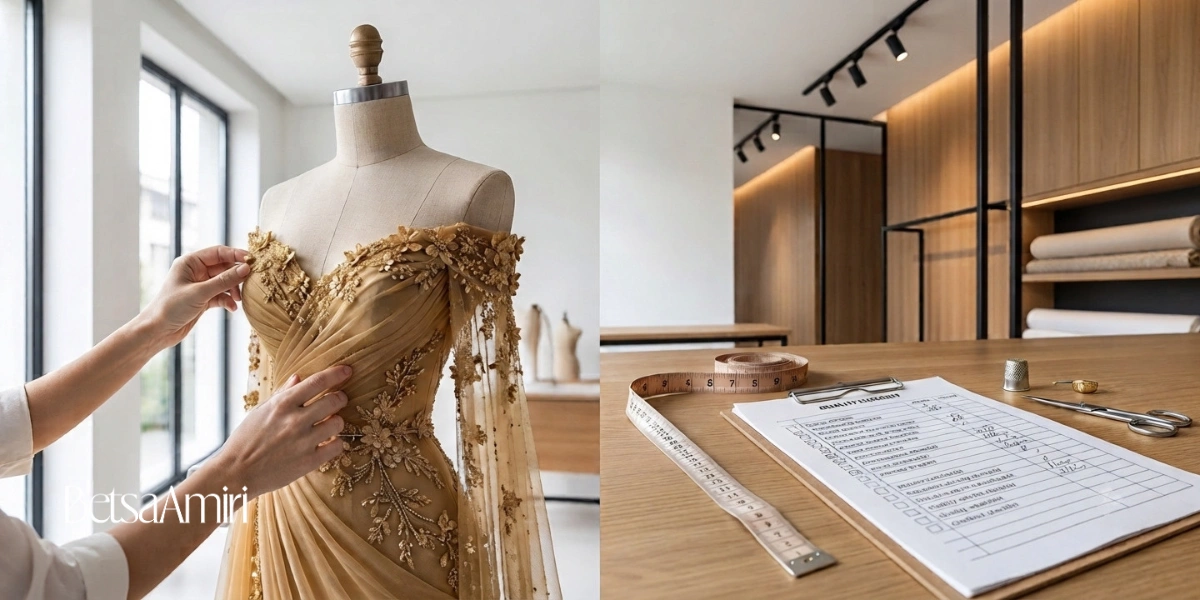
Garment assembly follows a planned sequence because later seams can restrict access to earlier construction areas. Shoulder seams, darts, pockets and front openings are usually stabilised before sleeves, collars or linings are attached. Sleeve installation requires more than matching notches; the sleeve pitch must follow the natural angle of the arm, otherwise the sleeve may twist even when its measurements are correct. Excess fabric at the sleeve head is distributed through controlled easing rather than visible gathering. During fitting, technicians inspect balance lines, shoulder position, drag lines and the relationship between the front and back lengths. This level of precision is especially important in wedding dreses in Dubai, where structured bodices, layered skirts and delicate fabrics must remain balanced throughout movement. Flowing garments such as abayas are often checked after hanging because bias sections can lengthen under their own weight. The hem should be levelled only after this relaxation period. Temporary basting is also useful for confirming proportions before permanent stitching, especially around collars, armholes and closures where small changes affect the entire silhouette.

Strong Seams for Longer-Lasting Clothes
Seam strength depends on more than dense stitching. On delicate fabrics, stitches placed too closely can create a perforated line that tears under movement. The needle point, thread thickness and seam type must match the fabric structure. Loosely woven materials also require seam-slippage testing, especially around armholes and side seams where tension is higher. Bias edges may be staystitched before assembly to prevent stretching, while differential feed helps stop knitted fabrics from becoming wavy. A well-constructed seam should remain stable without making the garment stiff, bulky or uncomfortable.
Better Fit Through Precise Garment Assembly
The order in which garment pieces are assembled directly affects fit and movement. Shoulder seams, darts, pockets and front openings are usually stabilised before sleeves, collars and linings are attached. Sleeve placement requires the correct pitch as well as matching notches; an incorrect angle can make the sleeve twist even when its measurements are accurate. During fitting, balance lines, shoulder position and front-to-back length are checked for pulling or uneven drape. Flowing garments such as abayas should also hang before hemming because bias-cut areas may lengthen under their own weight.
Final Quality Checks Before Wearing or Selling
Before a garment is approved, its appearance, construction and movement should be checked together. A seam may look clean on a hanger but twist when worn, while an even hem can change after bias-cut sections relax under the garment’s weight. Final inspection should therefore be completed after pressing and after the garment has rested.
- Side seams should hang vertically without rotating toward the front or back.
- Shoulders must sit evenly without drag lines around the neck or armholes.
- Sleeves should follow the natural arm position and allow comfortable movement.
- The hem must remain level after the fabric has relaxed.
- High-stress seams around armholes, pockets and closures should be tested for strength.
- Zippers, buttons and fasteners must operate smoothly without pulling the fabric.
- The inside should be free from loose threads, raw edges and uneven overlocking.
- Pressed areas must show no shine, bubbling or permanent crease marks.
- The front and back of the garment should remain balanced when worn.
- The fabric surface must be checked for stains, needle damage and pulled threads.
These checks reveal problems that are often invisible during sewing and help ensure the garment keeps its shape after repeated wear and cleaning.
Frequently Asked Questions
How can you identify a well-made garment?
Check whether the side seams hang straight, the shoulders sit evenly and the hem remains level. The inside should also have clean seam finishes, secure stitching and no loose threads or exposed raw edges.
Why do side seams sometimes twist after washing?
Twisting often results from incorrect grain alignment, fabric skew or cutting the material before it has fully relaxed. Washing releases hidden tension in the fabric and makes the construction error more visible.
Does a higher stitch density make clothing stronger?
Not always. On delicate fabrics, stitches placed too closely can create a perforated line that tears under pressure. Stitch length, needle size and thread type must be selected according to the fabric structure.
Why are some garments left hanging before hemming?
Bias-cut and flowing fabrics can lengthen under their own weight. Allowing the garment to rest before hemming reveals this movement so the final hem can be levelled accurately.
What should you inspect inside a garment before buying it?
Inspect the seam allowances, overlocking, lining attachment and reinforcement around pockets, armholes and closures. Bubbling around fused areas or uneven seam widths may indicate poor construction control.

Betsa Amiri Editorial Team creates and reviews content about abayas, eveningwear, custom dresses, garment care and contemporary women’s fashion. The team provides clear and practical information based on Betsa Amiri’s experience in bespoke womenswear and serving clients in Dubai.